
Shockwave Therapy for Plantar Fasciitis in Montclair, NJ: Heal Chronic Heel Pain
Shockwave Therapy for Plantar Fasciitis in Montclair, NJ: Heal Chronic Heel Pain
- Cathy Stephenson
- Cathy Stephenson
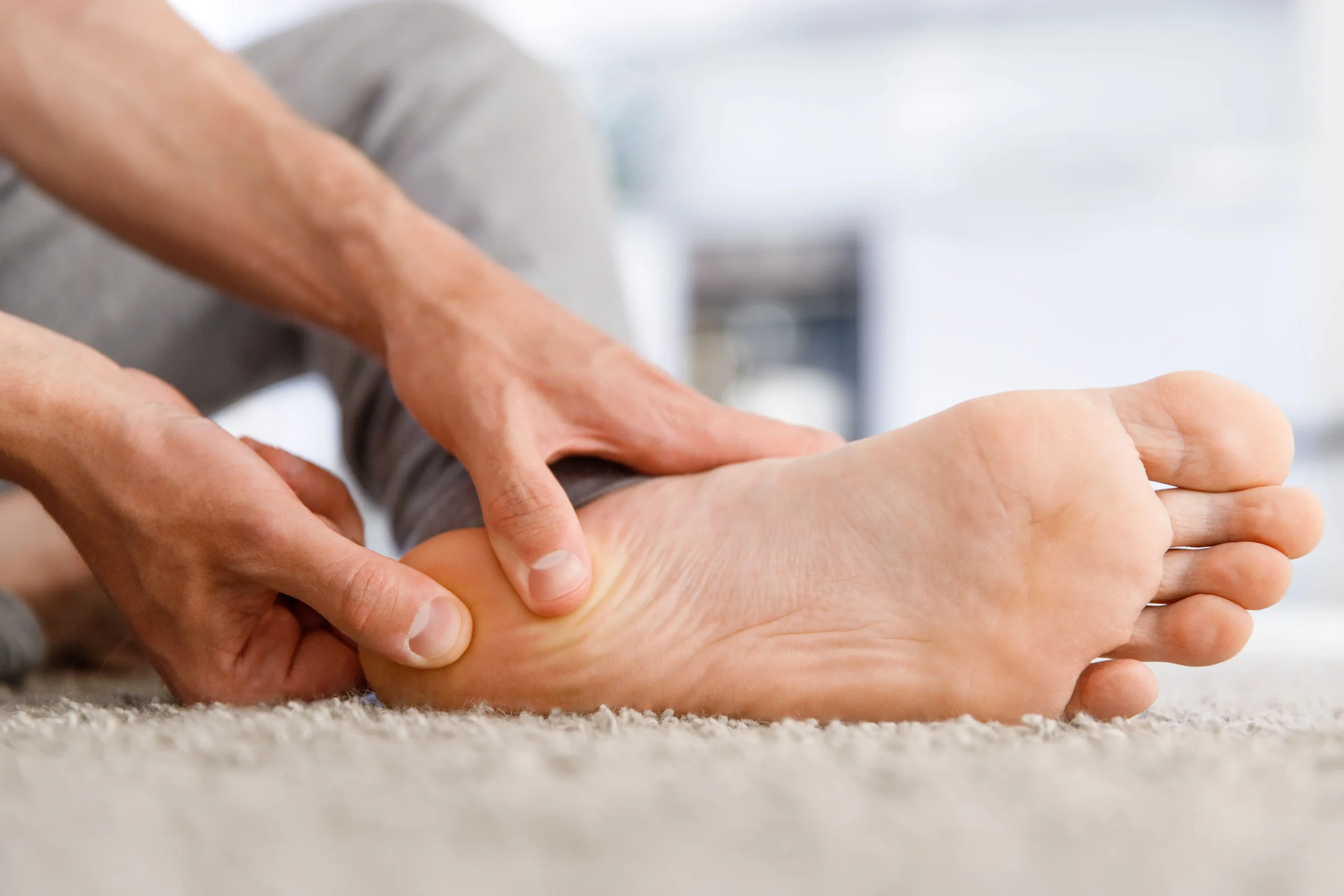
Shockwave therapy for plantar fasciitis in Montclair, NJ helps stubborn heel pain heal without surgery. It uses sound pressure waves to restart stalled repair in the plantar fascia. As a result, many people finally get relief after months of failed care. Also, the treatment needs no needles and no downtime.
This care rests on real clinical experience. Our clinical director has used shockwave since 2018. That adds up to eight years of hands-on work. Because of this depth, Well In Montclair matches each plan to the person. To book a consultation, call 917-587-0407.
What Is Plantar Fasciitis?
Plantar fasciitis is the most common cause of chronic heel pain. The plantar fascia is a thick band that supports your arch. When it is overloaded, small areas break down and stall mid-repair. As a result, the heel hurts most with the first steps of the day.
Common triggers include running, long hours standing, and tight calves. In addition, a sudden jump in activity can strain the fascia. However, the deeper problem is usually failed healing, not swelling. That is exactly what shockwave therapy is designed to fix.
How Shockwave Therapy Treats Heel Pain
Shockwave therapy for plantar fasciitis sends pressure waves into the fascia through the skin. Each pulse creates a small, controlled stress. First, blood flow rises and new vessels form. Next, the cells that rebuild healthy fascia switch on.
The waves also target damaged tissue directly. For example, they help break down calcium and scar tissue near a heel spur. In addition, they calm the overactive nerves that drive pain. As a result, stalled healing restarts and the fascia remodels.
What the Research Shows
Plantar fasciitis is the single best-studied use of shockwave therapy. For example, a radial shockwave study reported about 70% success at three months. In addition, a 2024 meta-analysis found shockwave more effective than placebo for chronic heel pain.
Results also tend to build over time. Because healing continues after the last session, pain often keeps dropping for weeks. As a result, the fascia grows stronger, not just quieter.
Our Approach at Well In Montclair
A painful heel is rarely just a heel. First, our evaluation looks at the whole chain. This includes the fascia, calf, foot mechanics, hip, and gait. Cathy Stephenson, founder and clinical director, built these heel-pain protocols over eight years.
Treatment then follows a short, individualized course. Most people need about three to six sessions, roughly one week apart. In addition, the number depends on how severe and long-standing the case is. Because spacing lets the fascia respond, chronic cases simply need more sessions.
What to Expect at Your Shockwave Therapy for Plantar Fasciitis Session
A shockwave session for plantar fasciitis is quick and simple. First, your therapist applies a coupling gel to the heel. Next, the applicator moves across the fascia and calf. Most sessions last only 10 to 20 minutes.
The pulses can feel intense but stay tolerable. However, no numbing is needed, and the setting is matched to you. As a result, most people walk out comfortably and drive themselves home. In addition, many notice looser, less painful steps right away.
Aftercare is easy and important. First, skip ibuprofen right after treatment. Also, avoid ice for a day. Because both blunt the healing response, they can slow your results. Mild redness or soreness for a day is normal. For related tendon care, see our Achilles tendinopathy treatment page.
When Shockwave Is Not the Right Fit
Shockwave therapy is safe for many people, but it isn’t appropriate for everyone. Before treatment, we screen for factors such as pregnancy, blood-clotting conditions, active infections, and open wounds. If you’ve recently had a cortisone injection in the treatment area, we may also recommend waiting several weeks before beginning shockwave therapy.
Every patient is evaluated first to make sure treatment is both safe and appropriate. If shockwave isn’t the best option for your condition, we’ll discuss other approaches that may be a better fit. Depending on the cause of your heel pain, options such as physical therapy, acupuncture, stretching and strengthening programs, or other conservative treatments may be recommended instead.
Our goal is to help you find the right treatment, not simply sell you on shockwave therapy. Many people with chronic heel pain may be good candidates, but the best approach depends on your individual symptoms and diagnosis.
Shockwave Therapy for Plantar Fasciitis in Montclair, NJ FAQ
How much does shockwave therapy for plantar fasciitis cost?
Cost depends on how many sessions you need. Most New Jersey insurance plans do not cover shockwave. However, HSA and FSA funds usually apply. For current pricing, call our team and ask about a plan for your specific case.
How many sessions will I need?
Most people need about three to six weekly sessions. However, longer-standing or severe heel pain sometimes needs more. Because healing continues afterward, results often improve for weeks past the final visit. Your therapist maps out a plan at the first appointment.
Does shockwave therapy for plantar fasciitis hurt?
The pulses on the heel can feel intense, like a firm snapping. However, no numbing is needed, and the intensity is adjusted to your comfort. Discomfort stops when treatment stops. In addition, many people feel relief right away.
Is it safe if I have a heel spur?
Yes, shockwave is a recognized option with or without a heel spur. The pressure waves help break down calcium while the fascia heals. Because the treatment targets damaged tissue, healthy tissue is mostly spared. Your therapist confirms it is right for you first.
How soon can I walk or exercise again?
There is no downtime, so you can walk right away. However, your therapist may adjust running or training during the series. Because the fascia is remodeling, smart loading protects your progress. Most people keep up daily activity throughout.
What if I already had a cortisone shot?
We wait at least six weeks after a cortisone injection before starting. Cortisone also carries a known risk of weakening the fascia. As a result, many patients choose shockwave first. Your therapist reviews your history at the evaluation.
Shockwave Therapy for Plantar Fasciitis Near Me in Montclair, NJ
Shockwave therapy for plantar fasciitis offers a proven, non-surgical path to less heel pain. It is drug-free, needle-free, and backed by research. Because each plan is personalized, results improve when the treatment fits the whole chain.
Well In Montclair pairs eight years of shockwave experience with whole-person care. Whether you run, stand all day, or simply want your mornings back, help is close. Well In Montclair serves Montclair, Verona, Glen Ridge, and Bloomfield. In addition, the team welcomes patients from West Orange, Cedar Grove, and Upper Montclair. Because care is local and personalized, heel-pain relief stays close for all of Essex County. To start, call 917-587-0407 and book a consultation today.
Disclaimer: This article is for informational purposes only. It is not medical advice, and individual results vary.
Shockwave Therapy for Plantar Fasciitis in Montclair, NJ: Heal Chronic Heel Pain
Shockwave Therapy for Achilles Tendinopathy in Montclair, NJ: Heal the Tendon

Shockwave Therapy for Shoulder Pain in Montclair, NJ: Calcific Tendinitis Relief
Our Mission
We believe in living lives focused on optimum health and enhanced wellbeing so that we may share our skills to help others find health, balance and return to the vibrant life they were meant to live.
Related Post
Shockwave Therapy for Plantar Fasciitis in Montclair, NJ: Heal Chronic Heel Pain
Shockwave Therapy for Achilles Tendinopathy in Montclair, NJ: Heal the Tendon